












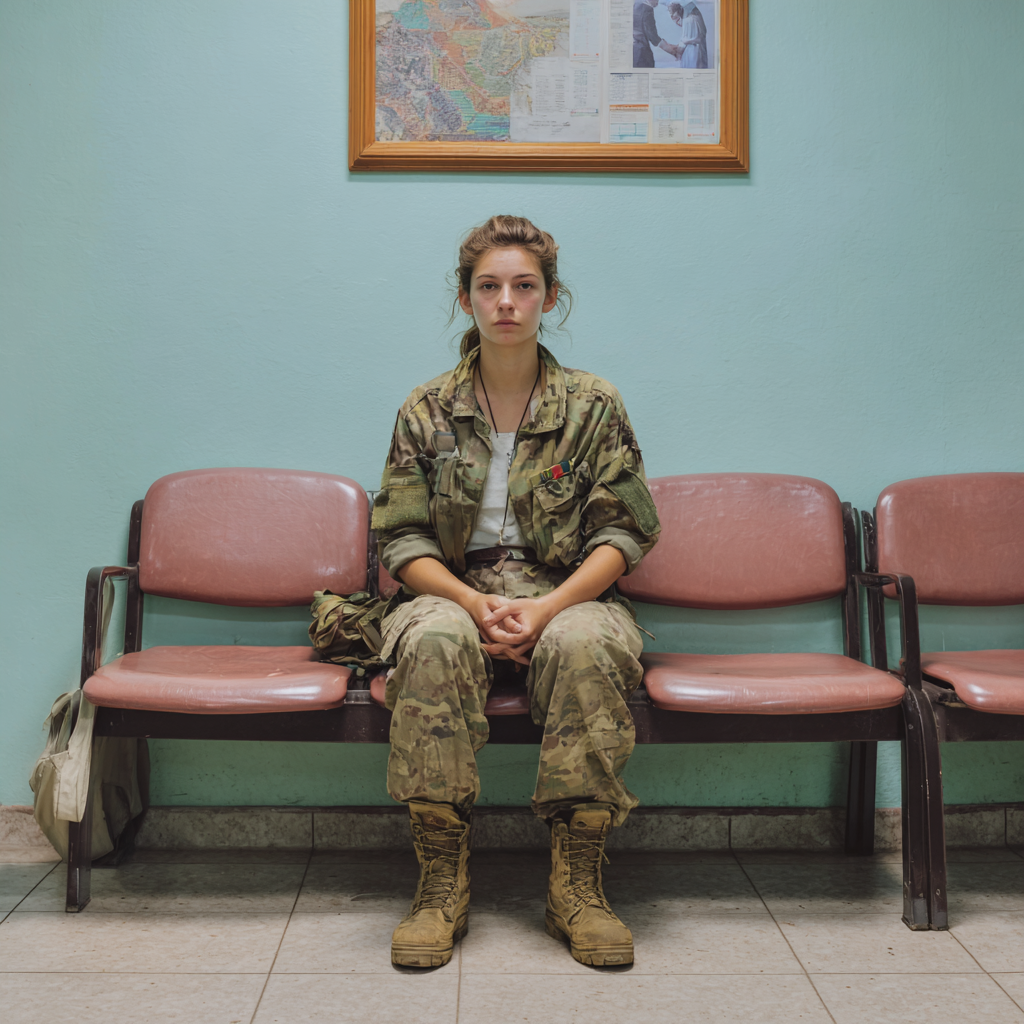
Military sexual trauma (MST) is a sensitive topic with veterans, however, many have experienced it. MST refers to sexual assault or repeated sexual harassment experienced during military service. The Department of Veterans Affairs (VA) recognizes MST as a qualifying factor for disability benefits, even if the incident was never officially reported.
Veterans can receive VA disability for MST-related conditions, such as PTSD, depression, or anxiety, along with access to free health care and counseling services.
Tamila’s Take
I can say this is one of the most difficult topics veterans face, but also one of the most important to address. I’ve spoken with survivors who waited years, sometimes decades, before even considering filing a claim because of fear, stigma, or the belief that their experience “didn’t count” without a formal report.
The truth is, the VA understands this reality, which is why alternative evidence and behavioral markers are accepted in these cases. What matters most is not when you come forward, but that you do, and that you have the support to tell your story in a way that reflects what you’ve lived through. If you’re dealing with the effects of MST, know that you’re not alone, and there are resources, benefits, and people ready to help you take that next step at your own pace.
Why This Update
We want to make sure we are providing information on all the benefits available to veterans.
What Is Military Sexual Trauma (MST)?
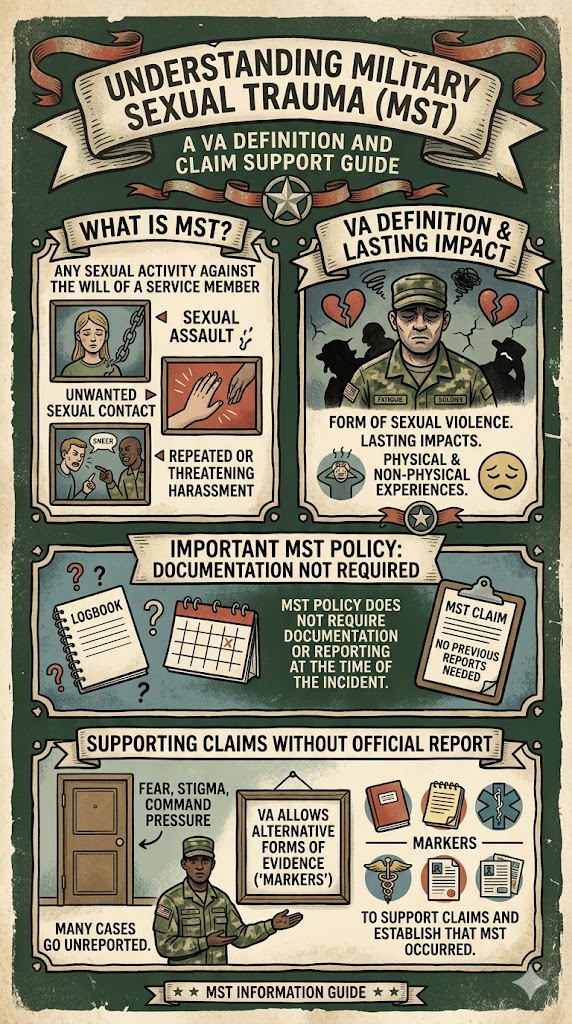
Military sexual trauma includes any sexual activity where a service member was involved against their will. This includes:
- Sexual assault
- Unwanted sexual contact
- Repeated or threatening sexual harassment
MST is a form of sexual violence that can have lasting impacts. The VA defines MST broadly to include both physical and non-physical experiences.
Importantly, what MST military policy does not require documentation or reporting at the time of the incident.
Many MST cases were never formally reported due to fear, stigma, or command pressure. Because of this, the VA allows alternative forms of evidence, known as “markers,” to support claims and establish that MST occurred, even if there is no official report.
VA Benefits Available for MST Survivors
Veterans who experienced military sexual trauma (MST) qualify for a comprehensive array of VA services, including mental health, medical, and support resources. VA medical centers provide confidential, accessible treatment for MST survivors.
Every VA health care facility has a designated MST Coordinator who serves as a contact person for MST-related issues. All former service members are eligible for MST-related care, regardless of discharge status. All counseling services are 100% confidential.
Other services available include MST Coordinators at VA facilities, crisis support and therapy programs, and access to housing and employment assistance. Organizations like Disabled American Veterans (DAV) offer free assistance with claims for MST-related benefits, and Protect Our Defenders provides free legal assistance and advocacy for MST survivors.
More resources are available, including the Veterans Crisis Line, which offers free, confidential support 24/7 and connects veterans in distress with qualified VA responders who can provide referrals to local services.
How the VA Rates MST-Related Conditions
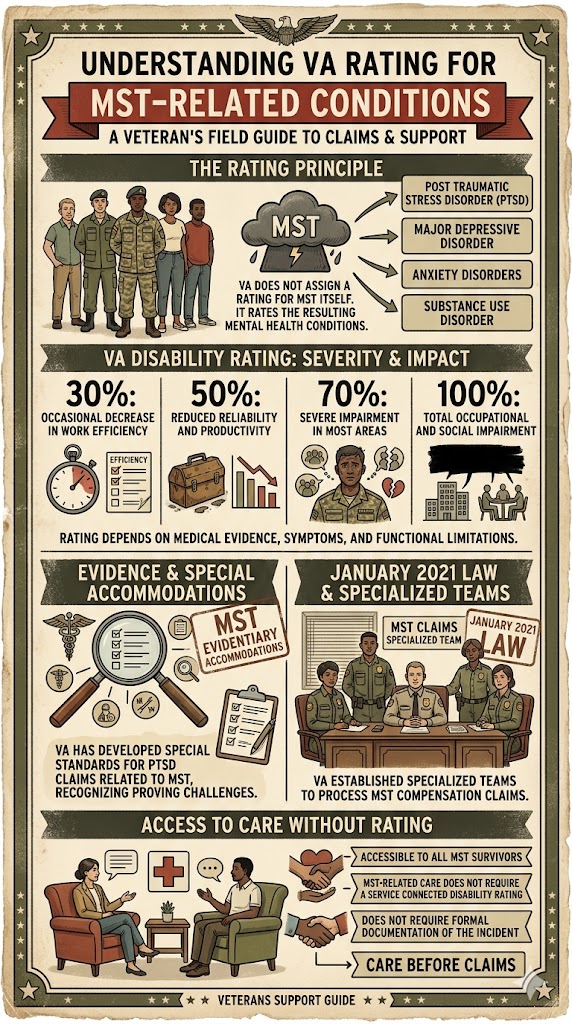
The VA does not assign a rating for military sexual trauma (MST) itself. Instead, it rates the mental health conditions and mental disorders resulting from MST, including Post Traumatic Stress Disorder (PTSD), major depressive disorder, anxiety disorders, and substance use disorder.
A VA disability rating is assigned based on the severity of these mental health conditions and their impact on daily functioning. For example, a PTSD rating may fall into:
- 30%: Occasional decrease in work efficiency
- 50%: Reduced reliability and productivity
- 70%: Severe impairment in most areas
- 100%: Total occupational and social impairment
The rating depends on medical evidence, symptoms, and functional limitations. The VA has developed special accommodations in its evidence standards for PTSD claims related to MST, recognizing the challenges in proving such cases.
Additionally, a law that went into effect in January 2021 requires the Department of Veterans Affairs to establish specialized teams to process claims for compensation for mental health conditions based on military sexual trauma.
VA mental health services for MST survivors are accessible regardless of a service connected disability rating, and MST-related care does not require a service connected disability or formal documentation of the incident.
How to File a VA Claim for MST
The MST VA claim process differs slightly from standard claims because documentation may be limited.
To file, you must:
- Submit a Claim: Use VA Form 21-526EZ.
- Provide a Personal Statement: Explain what happened, when it occurred, and how it affects you today.
- Include Supporting Evidence: This may include medical records, therapy notes, statements from friends or family, and behavioral markers (disciplinary issues, performance changes, transfers).
- Attend a C&P Exam: The VA may schedule a mental health evaluation to assess your condition.
The VA is required to give special consideration to MST claims due to their sensitive nature.
Tips for Building a Strong MST Claim
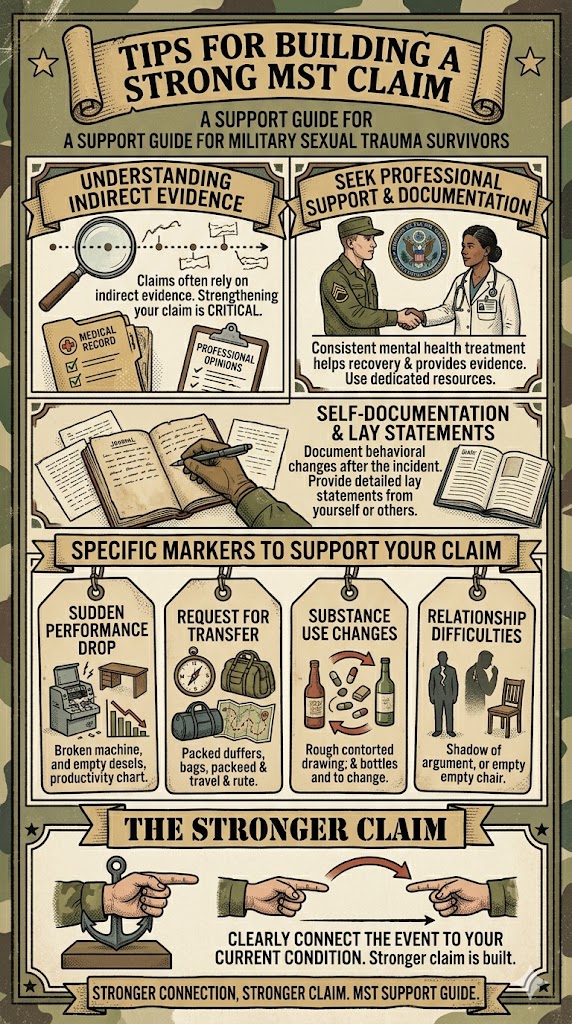
MST claims often rely on indirect evidence, so strengthening your claim is critical. Survivors of military sexual trauma may face chronic stress, especially when they must continue living or working with their perpetrator. Seeking support from VA healthcare providers, MST Coordinators, or support organizations is highly encouraged, as these resources are dedicated to helping you through recovery and can document your symptoms.
You should try to document behavioral changes after the incident and provide detailed lay statements. Seek consistent mental health treatment, both for your own benefit and as more professional opinions to work in your favor.
Specific markers that can support your claim include a sudden decline in performance, requests for transfer, substance use changes, and relationship difficulties. The more clearly you connect the event to your current condition, the stronger your claim.
What MST Looks Like
Military sexual trauma can be difficult to address, but there are real-life examples of it happening among military service members. The name has been changed here to protect the veteran.
Lisa, an Army veteran, experienced MST and was sexually assaulted during her service but never reported it. Like many military service members who have experienced military sexual assault, she faced significant challenges afterward.
Years later, Lisa was diagnosed with PTSD and depression. She filed a VA claim with a personal statement, therapy records, and statements from family members describing her behavioral changes after service. The VA approved her claim and assigned a 70% disability rating for PTSD related to MST.
FAQs About MST
Here are some of the most commonly asked questions about military sexual trauma (MST).
What is military sexual trauma (MST)?
MST refers to sexual assault, including military sexual assault, or harassment experienced during military service.
Do I need proof to file an MST VA claim?
No. The VA accepts alternative evidence, including behavioral markers and personal statements.
What benefits are available for MST survivors?
Veterans may receive free health care, counseling, and disability compensation for related conditions. Treatment options include both mental health and medical care for MST survivors.
Can MST affect my physical health?
Yes. MST can lead to physical health conditions related to trauma, such as chronic pain, gastrointestinal problems, headaches, and sexual dysfunction. The VA provides medical care for both mental and physical health conditions related to MST, regardless of service connection or documentation status.
How does the VA rate MST claims?
The VA rates conditions caused by MST, such as PTSD or depression, not MST itself.
Can I get VA disability for MST without reporting it in service?
Yes. Many MST claims are approved without official reports.
What is the most common MST-related VA rating?
PTSD is the most common condition, with ratings often ranging from 50% to 70%.
Where can I find MST support for veterans?
VA medical centers have MST coordinators and offer confidential care regardless of disability status, providing support for a variety of MST related issues.
You’re Not Alone in This
If you’ve experienced military sexual trauma, it’s important to know that help is available and your story matters. The VA has made it possible to access care and benefits in a way that respects the reality of what many veterans went through. Whether you’re just beginning to explore your options or ready to file a claim, there are resources designed to support you every step of the way. You deserve understanding, care, and the benefits tied to your service.
 AllVeteran.com Advisors
With expertise spanning local, state, and federal benefit programs, our team is dedicated to guiding individuals towards the perfect program tailored to their unique circumstances.